
Neighborhood Living
Ravenna Living.
Ravenna pairs a dramatic park ravine with quiet tree streets - close to the University of Washington and University Village energy without living inside campus density. Linda M. Bagley works the Green Lake ring from 6215 Woodlawn Ave N, Seattle, WA 98103; this magazine is for anyone deciding whether Ravenna's forested pocket should become everyday geography.
What is Ravenna Living?
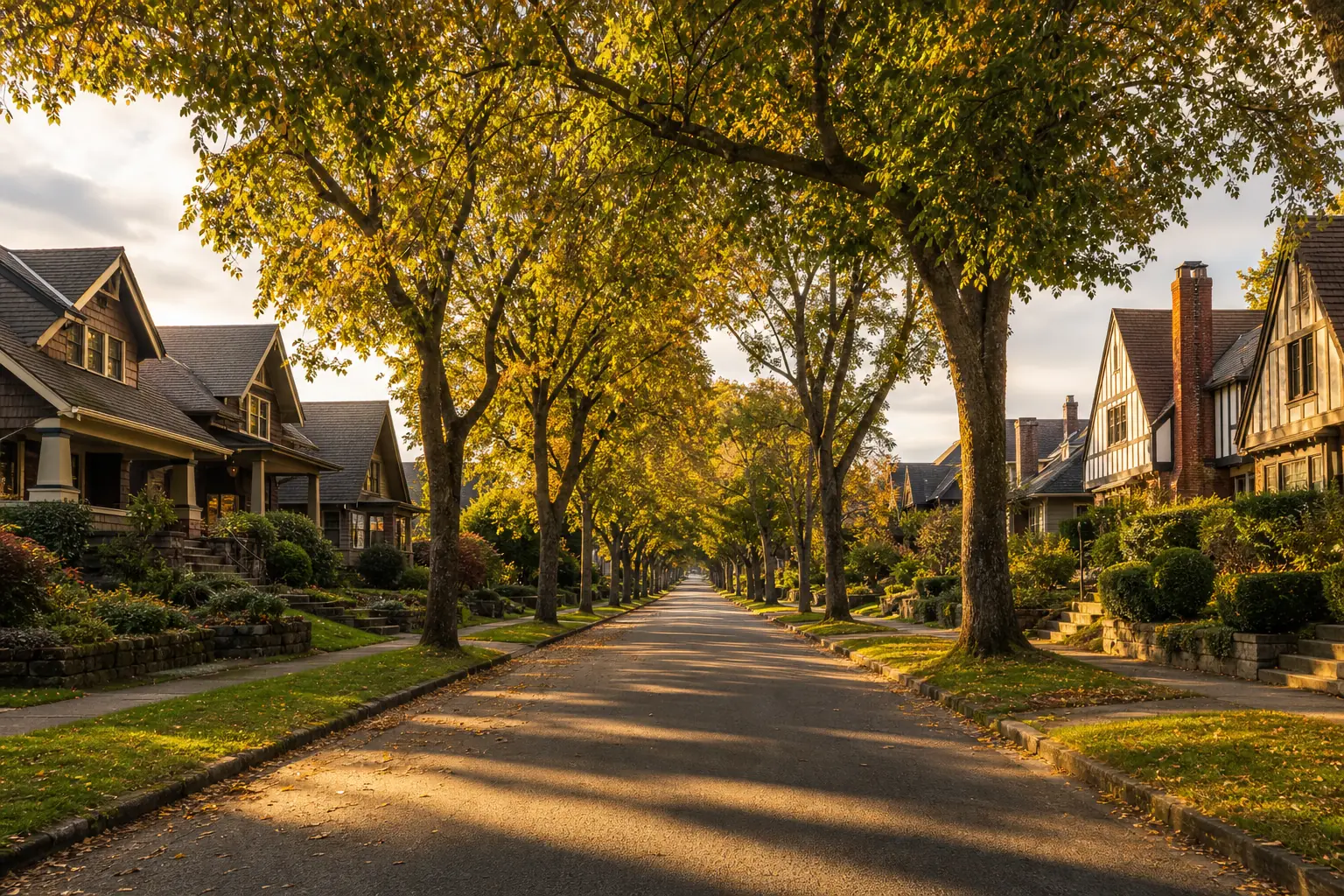
Ravenna Living is northeast Seattle residential life organized around a forested ravine. Ravenna Park and Cowen Park form a continuous green corridor — trails, playfields, creek sound, canopy — that gives the neighborhood a wilder outdoor room than most urban pockets this close to campus and light rail. People do not move here for nightlife. They move here for tree streets, park drama, and academic-city amenities at arm’s length.
Geographically, Ravenna sits between Roosevelt’s Link village and the University District, with Green Lake to the west and Maple Leaf rising northwest. For the wider map of what residents do across Puget Sound, start at the Lifestyle hub. For the transaction side, see our Ravenna real estate guide.
This page is the resident magazine: how the ravine shapes the week, what “UW adjacency without campus density” really means, how Roosevelt Station becomes the rail door, what housing stock looks like on the tree streets, and why lifestyle fit belongs before listing price.
Why does the ravine matter more than any single amenity?
The Ravenna–Cowen park corridor is the neighborhood’s psychological center. Steep trails, bridges, playfields, and a sense of forest inside the city create a daily outdoor pattern that is different from Green Lake’s paved social loop. You come here for shade, birdsong, and a walk that feels like leaving the grid without leaving Seattle.
That geography also organizes real estate psychology. Blocks that feel like a short walk to the ravine rim behave differently from blocks that feel cut off by arterials. Canopy and topography create differences that citywide averages cannot explain — which is why Linda M. Bagley insists on true local comparables and a site visit at different times of day. Deeper park context lives in our Parks & lakes guide.
What does a Ravenna day actually feel like?
Many households build the day around one ravine touchpoint. A morning trail before email. A midday dog loop. An after-school playground stop at Cowen. Errands that drift toward Roosevelt Way or University Village when needed, then return to quiet residential streets where porch light and trees do more work than neon.
Evenings can end in the park in almost any weather — shorter in winter, longer in the long light of June. Summer expands to Green Lake paddleboards and UW Botanic Gardens edges; winter leans on indoor sports at north-end community centers and coffee on quieter corners. The house is the address. The ravine is the reason.
Families treat the parks as infrastructure. Remote workers treat the canopy as a commute between meetings. Students and faculty who want sleep more than Ave noise treat Ravenna as the grown-up alternative to living on campus. Stand at a trailhead for twenty minutes on a Tuesday and the pattern writes itself.
UW adjacency without campus density
Ravenna’s superpower is proximity with a buffer. The University of Washington is close enough for jobs, libraries, lectures, hospitals, and campus green spaces — without forcing you to live inside dorm overflow, game-day gridlock, or the loudest Ave blocks. University Village sits as the retail gravity well: convenient, busy, and useful when you want it; easy to leave when you want quiet.
If your life is 100% campus and you want to walk to class in five minutes, look harder at the University District itself. If you want academic-city energy with a residential night, Ravenna is often the fit. Roosevelt Station Link makes downtown and Capitol Hill optional rather than mandatory drives — covered more in Roosevelt Living.
Signature places around the ravine
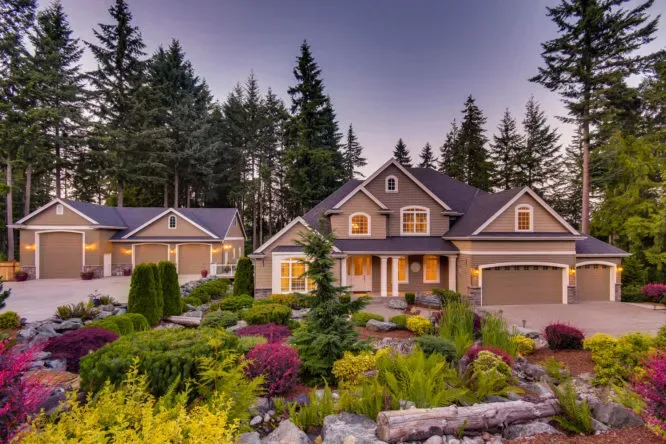
Ravenna Park is the headline: ravine trails, forest feel, bridges, and the sense that Seattle still has pockets of vertical green. Cowen Park adds playfields and a more open park-edge social room. Edges toward the UW Botanic Gardens / Washington Park Arboretum orbit expand the plant-and-trail calendar for households who garden or simply want Sunday wandering — see Gardening & outdoor living.
The commercial edges matter as complements, not as Ravenna’s identity: Roosevelt Way and Roosevelt Station for Link and walkable retail; University Village for errands and dining; the Ave when you want campus theater; Green Lake when you want the paved loop and boathouse culture. Those are adjacent weekly options, not distant day trips.
Look westward and the Green Lake ring opens fully: Green Lake Living for park-lake ritual; Wallingford Living for the 45th Street spine toward Gas Works; Maple Leaf Living for elevated yards north of the loop.
Food, coffee, and the errand radius
Ravenna Living assumes you can get coffee and a weeknight dinner without a bridge crossing, even if the densest restaurant rows sit on Roosevelt or in the U-District. The exact roster changes — cities evolve — so this guide refuses a static “best of” list. What stays true is the pattern: quiet residential core, borrowed commercial edges, University Village as the large errand magnet, and downtown as a Link choice rather than a requirement.
Saturday rituals often expand to the University District Farmers Market when in season, or Ballard’s year-round Sunday market when you want Sound-side energy. That is the Ravenna advantage: you inherit academic-city and north-end market culture without giving up the ravine as your weekday default.
What types of homes will you see — and where?
Think in micro-geographies, not a single inventory stereotype.
Near the park rim: early-twentieth-century houses, craftsman bungalows, and occasional Tudors on tree streets — premiums for walk-to-ravine convenience and quieter blocks. Charm and due diligence travel together: foundations, sewer laterals, electrical updates, and honest remodel history matter on century-old stock.
Toward arterials and the Roosevelt edge: more multifamily and infill, busier soundscape, stronger walk-to-Link convenience. Condo and townhome paths can be smart when a detached craftsman is not the right fit — with full HOA diligence.
Quieter interior streets: generally calmer than arterial Roosevelt, with a mix of midcentury updates and renovation quality that rewards walking the block at night and at school-pickup hour. See Ravenna real estate and current listings for the transaction lens.
We do not publish fabricated prices, days-on-market averages, or ROI claims on this page. Market character is real; dashboards pretending to be MLS are not how Linda advises clients. When you want numbers, you get them in a conversation against true local comparables — as a buyers agent engagement or a pricing opinion when you sell.
How does Ravenna fit the Green Lake ring?
Buyers rarely choose Ravenna in a vacuum. They compare:
- Roosevelt — Link village and retail spine when you want more street life at the doorstep.
- Green Lake — paved lake loop and boathouse culture as the daily outdoor room.
- Wallingford — 45th Street spine between Green Lake and Gas Works / Lake Union.
- Maple Leaf — elevated residential, Reservoir Park, often more yard.
- Northgate — rail hub, Jackson Park golf, indoor sports, practical access lifestyle.
The right answer depends on whether you optimize for ravine canopy, for rail-front retail, for the lake path, or for yard size. Linda M. Bagley’s consulting conversations usually start there — lifestyle fit — before touring addresses.
Events, markets, and the rituals that mark the year
The ravine is the daily ritual. The annual calendar layers on top: University District market Saturdays; campus cultural calendars next door; seasonal Seattle Parks programming; Ballard’s Sunday market; citywide anchors like Northwest Folklife, Fremont Solstice energy, Festál, and Seafair summer rhythm. Dates shift — always verify official calendars. The curated resident view lives in Events & markets.
Spring in the ravine is a neighborhood event of its own: mud, green-up, and the return of longer trail evenings. Fall is when canopy color makes the case for why people stay. Those seasonal markers matter more here than a single famous avenue festival.
Getting around without making the car the main character
Walk: park access and quiet streets are the point. Daily coffee can stay close; larger errands may lean on Village or Roosevelt.
Bike: connections toward campus, Green Lake, and the Burke-Gilman system make northeast Seattle a workable bike geography. Topography is real — test the hills before you commit to a “bike everywhere” identity.
Transit: Link via Roosevelt Station is the rail door for downtown and UW. Buses fill the campus and north-end grid.
Drive: useful for mountain trailheads, ferry terminals, and big-box logistics. Ravenna Living is not car-free ideology; it is car-optional daily life with academic-city reach.
Where do Ravenna weekends go?
Close-in: longer ravine loops, Arboretum wandering, Green Lake boats and Pitch & Putt, a Roosevelt Way dinner, Gas Works sunsets via Wallingford, campus museums and lectures when the calendar calls.
One layer out: Bainbridge Island ferries, Hood Canal oysters, Whidbey day trips — Islands & road trips.
When the mountains are clear: Rattlesnake Ledge, Mount Si, Snow Lake, Lake 22, or a full weekend toward Paradise or Hurricane Ridge — Mountains & hikes. From northeast Seattle, wilderness is a realistic Saturday.
Why buy in this market — without the fake charts?
Not because a webpage invented a percentage. Because the ravine does not relocate. Tree streets and park adjacency are durable lifestyle assets. UW and Link keep the neighborhood connected to jobs and culture without forcing campus density into your bedroom window. The ring of siblings — Roosevelt for rail village energy, Green Lake for the paved loop — means you can optimize for canopy and still borrow complementary amenities weekly.
Buyers who thrive here usually share a few traits: they want outdoor structure that feels a little wilder than a paved promenade, they prefer quiet nights, they accept Seattle weather as the price of that outdoor room, and they care more about daily geography than about a postcard main street. If that is you, Ravenna is not a compromise. It is the target.
If you need saltwater beaches, a floating-home dock, or maximum nightlife walkability, say so early — Linda will point you to the right area guides instead of forcing a ravine narrative.
Why residents stay
Because once the ravine becomes the shape of your week, ordinary flat neighborhoods can feel under-equipped. Friends know the trail meet-up. Guests understand the neighborhood in a single walk under the canopy. Children grow up thinking a forested park is normal infrastructure. That is stickiness — the qualitative kind that does not fit in a spreadsheet.
How Linda helps in Ravenna
Linda M. Bagley lives on Green Lake and keeps the brokerage office on Woodlawn — close enough that Ravenna is home-ring geography, not a distant listing farm. Advice here is ambient: which blocks feel truly walk-to-ravine, which edges pick up arterial noise, which condo documents deserve a hard look near the Roosevelt multifamily zone, when waiting is wiser than forcing a transaction.
She provides three clear services:
- Buyers agent — contractual advocacy through search, diligence, and negotiation.
- Listing agent — pricing opinion, prep strategy, and advocacy when you sell.
- Consulting — a free, no-pressure conversation when you are still deciding whether Ravenna, Roosevelt, or Green Lake fits your life.
Start with how you want to spend a Tuesday in July and a Tuesday in January. Then tour houses. That order is the Ravenna way — and the Special Agents Realty way.
Vendor partners
Outdoor pros when the garden needs more than ideas.
Our network includes Outdoor trade partners — landscape and garden supply companies across the Northwest — plus local recreation partners like Green Lake Pickleball. Browse the full bench when you’re ready to hire.
See vendor partnersHow Linda helps
Buy. List. Consult.
Buying or selling in Ravenna? Linda offers buyer representation, listing representation, and consulting from her Green Lake home base.
“Linda is a kind and generous agent who quickly established an easy and trustworthy connection with us. We've worked with her on a purchase and a sale, and we are very happy. I think she thinks of her clients as family!”
Next
Keep exploring the Green Lake ring
First time here?
Get a free, no-pressure home consultation with Linda M. Bagley.
Thirty minutes, your questions, zero obligation — including a complimentary pricing opinion if you own a home you’re curious about. Linda answers personally.