
Neighborhood Living
Phinney Ridge Living.
Linda M. Bagley lives on Green Lake with Special Agents Realty at 6215 Woodlawn Ave N, Seattle, WA 98103 — minutes from Phinney Ridge's west-and-south edges of the lake. This magazine is for anyone deciding whether ridge streets, zoo doorstep access, and PhinneyWood main-street life should become their everyday geography.
What is Phinney Ridge Living?
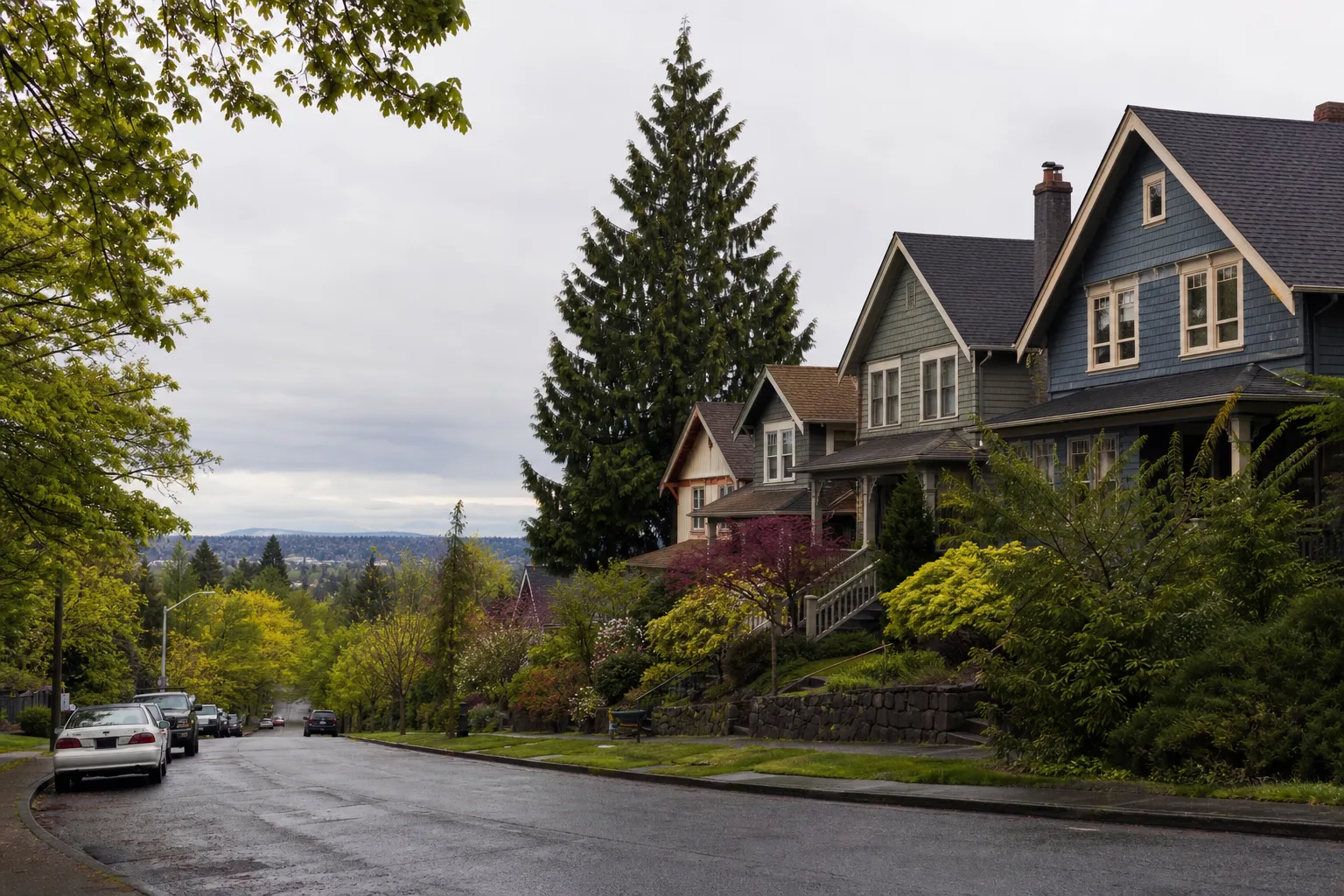
Phinney Ridge Living is ridge-first residential life above Green Lake’s west and south edges — quieter tree streets, elevation that can open Sound or Cascade glimpses on the right block, and a neighborly main street locals call PhinneyWood (the Phinney/Greenwood Avenue spine). Woodland Park and Woodland Park Zoo sit at the doorstep. People do not move here only for a house. They move here for a small-town-on-a-hill pattern inside north Seattle, with the lake loop as an adjacent amenity rather than the congested front yard.
Geographically, Phinney Ridge sits between Ballard to the west, Green Lake to the east and northeast, Greenwood continuing north along the Avenue, and Woodland Park defining the south edge. For the wider map of what residents do across Puget Sound, start at the Lifestyle hub. For the transaction side of this neighborhood, see our Phinney Ridge real estate guide.
This page is the resident magazine: how the ridge feels across seasons, where you actually go, what housing stock looks like by micro-geography, how Green Lake adjacency works without living on the busiest lake blocks, and why a brokerage that lives on the lake talks about lifestyle fit before listing price.
How does the ridge change through the year?
Spring is when gardens wake early on sunny ridge lots, zoo visits resume as a weekly habit, and Phinney Avenue sidewalks thicken again. Nursery and yard projects pair well with Gardening & outdoor living and our Outdoor vendor partners.
Summer is Phinney Ridge at easy volume: evening walks toward Green Lake, outdoor dinners on the Avenue, zoo membership culture for families, and weekend escapes to ferries and Cascades day hikes — Islands & road trips and Mountains & hikes.
Fall is when the neighborhood shows its permanence. School calendars and coffee shops reclaim mornings; leaves collect on ridge sidewalks; the lake path is still close; and buyers who “waited for summer” often realize the lifestyle works in October too.
Winter does not close the outdoor room. Rain gear becomes uniform; Woodland Park trails still get walked; PhinneyWood cafes carry more of the social load; and the honest pitch is not endless sunshine — it is having park, zoo, and main-street access that does not require driving across the city every Saturday.
What does a Phinney Ridge day actually feel like?
Many households build the day around one ridge touchpoint. A morning coffee on Phinney Avenue. A midday errand that stays on the spine. An after-work descent toward Green Lake for a loop. A zoo afternoon that does not require a car trip across town. Downtown becomes optional rather than mandatory.
Evenings can end on the Avenue or at the park edge in almost any weather. Summer means longer light and lake walks; winter means a shorter outing and a warmer kitchen. That rhythm is why residents talk about Phinney Ridge as a lifestyle purchase. The house is the address. The ridge-plus-park pattern is the reason.
Families layer in Woodland Park playgrounds and zoo membership culture. Remote workers treat the Avenue as a commute between meetings. Dog owners treat park edges and quieter residential streets as civic infrastructure. The Phinney Neighborhood Association culture shows up in local events and civic life — the sense that neighbors still organize around place.
Woodland Park Zoo and the park doorstep
Living near Woodland Park Zoo is not a tourist novelty for ridge households. It is calendar infrastructure: memberships, school-age rituals, rainy-day indoor options, and summer evenings that start with a short walk instead of a parking battle across town. Woodland Park itself adds trails, playfields, and the psychological buffer between residential streets and Aurora.
The zoo also organizes real estate psychology. Blocks that feel like a true walk to the park behave differently from blocks that feel like a drive. That is qualitative geography — which is why Linda M. Bagley insists on true local comparables when you buy or sell. Deeper park context lives in our Parks & lakes guide; for the lake path itself, see Green Lake Living.
What is PhinneyWood, really?
PhinneyWood is local shorthand for the continuous commercial and cultural spine along Phinney Avenue / Greenwood Avenue North — cafes, restaurants, shops, and civic energy that make the ridge feel like a complete village. It is not a separate city. It is the main street logic that keeps errands and evenings local.
The exact restaurant roster changes — cities evolve — so this guide refuses to pretend a static “best of” list ages well. What stays true is the pattern: a walkable spine for coffee, dinner, and small retail; denser options as you drift toward Greenwood; Ballard and Green Lake as adjacent weekly expansions rather than required destinations for every need.
Signature places on and around the ridge
Phinney Avenue / Greenwood Avenue is the headline commercial spine. Woodland Park and the zoo are the south-edge landmarks. Green Lake Park sits below the east flank — the big path without requiring you to live on the busiest lake blocks.
Look outward one notch and the ring opens: Ballard’s locks and Golden Gardens when you want Sound water; Wallingford’s 45th Street spine; Roosevelt’s light-rail village; Maple Leaf’s elevated residential north. Those are not distant day trips. They are adjacent weekly options for ridge households.
Green Lake adjacency without lake congestion
One of Phinney Ridge’s quiet advantages is proximity without saturation. You can walk or short-hop to the Green Lake loop, pickleball courts, Pitch & Putt, and park lawns — then return to ridge streets that feel more residential and less like a regional recreation hub at peak hours. That tradeoff is the point for many buyers.
If the loop itself must be your weekday default and you want to live as close to the path as possible, start with Green Lake Living and the Green Lake real estate guide. If you want Sound beaches and Ballard Avenue Sundays as the primary pattern, compare Ballard Living.
What types of homes will you see — and where?
Think in elevation and spine distance, not a single inventory stereotype.
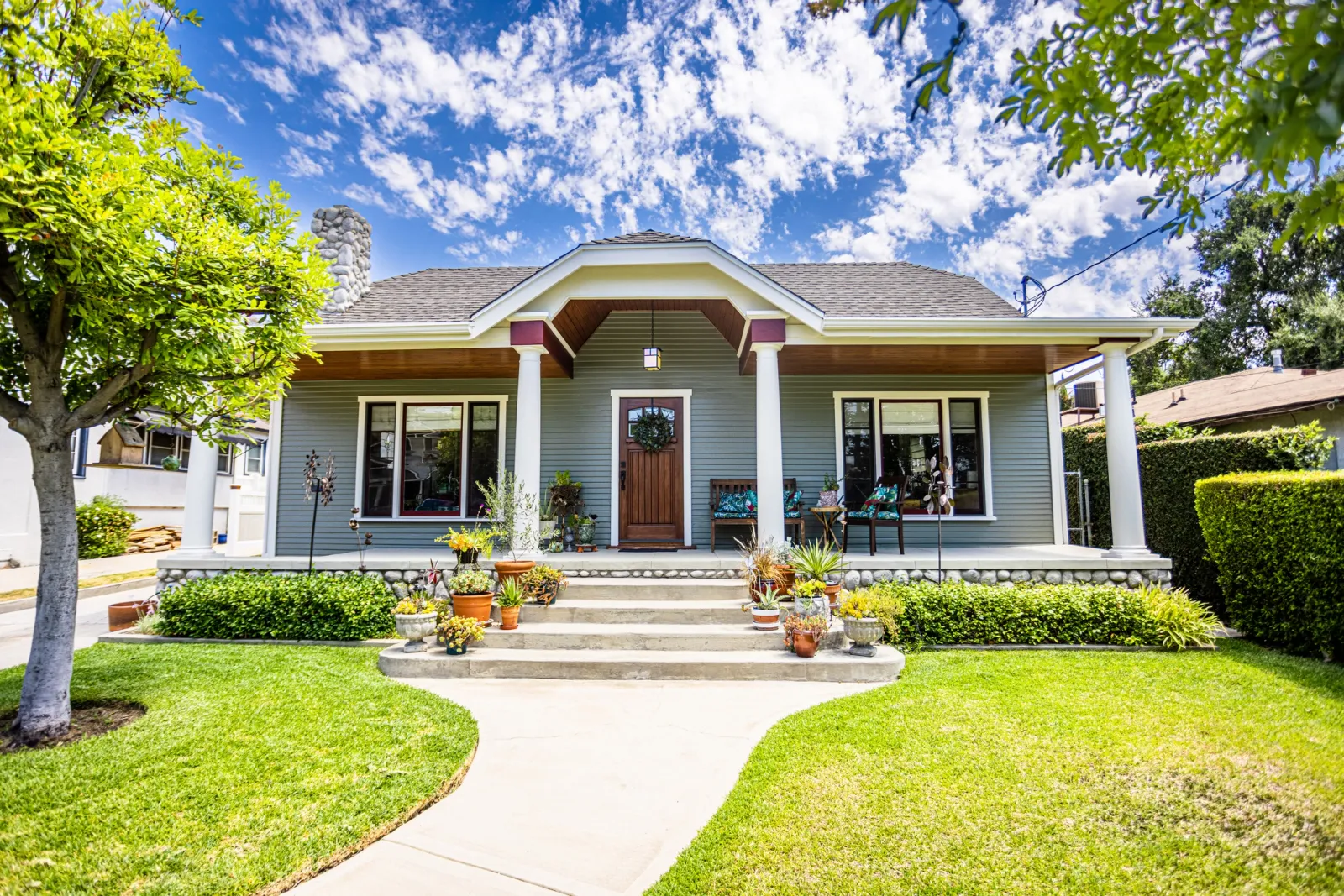
Classic ridge blocks: craftsman bungalows, remodeled midcentury homes, and occasional view premiums where the hill opens light or horizon. Charm and due diligence travel together — foundations, sewer laterals, electrical updates, and honest remodel history matter on century-old stock.
Near the Avenue: more walkable convenience, mixed housing ages, and some denser or multifamily options where the commercial spine is the lifestyle priority.
Toward park edges and arterials: location tradeoffs around zoo event traffic, Aurora proximity, and parking that deserve visits at different times of day before you offer. Condo and townhome ownership brings HOA diligence — reserves, dues, rental caps, special assessments. Browse current listings and the Phinney Ridge real estate page for the transaction lens.
We do not publish fabricated prices, days-on-market averages, or ROI claims on this page. Market character is real; dashboards pretending to be MLS are not how Linda advises clients. When you want numbers, you get them in a conversation against true local comparables — as a buyers agent engagement or a pricing opinion when you sell.
How does Phinney Ridge fit the Green Lake ring?
Buyers rarely choose Phinney Ridge in a vacuum. They compare:
- Green Lake — park-first loop culture when the path itself is the non-negotiable.
- Ballard — locks, Golden Gardens, Sunday market, Sound horizon.
- Wallingford — 45th Street spine between Green Lake and Gas Works / Lake Union.
- Maple Leaf — elevated residential north of the loop, Reservoir Park, a bit more yard.
- Roosevelt — Link light rail village and UW north gateway.
The right answer depends on whether you optimize for ridge quiet, zoo doorstep, the lake path, Sound beaches, or rail. Linda M. Bagley’s consulting conversations usually start there — lifestyle fit — before touring addresses.
Events, markets, and the rituals that mark the year
Phinney Ridge inherits a strong local calendar: seasonal Phinney Farmers Market dates when active (verify current season and location); Phinney Neighborhood Association programming; zoo events and membership rhythms; nearby University District market Saturdays; Ballard’s year-round Sunday market as a short hop. Citywide anchors — Northwest Folklife, Fremont Solstice energy, Festál, Seafair — fill the broader summer. Dates shift; always verify official calendars. The curated resident view lives in Events & markets.
Recreation spillover from Green Lake — pickleball, Pitch & Putt, summer park programming — is part of the ridge package without living on the busiest lakeside blocks. See Golf, pickleball & sports.
Getting around without making the car the main character
Walk: PhinneyWood errands and park edges are the point for many households. Lake loops are a downhill (and uphill return) commitment depending on your exact block.
Bike: connectors toward Green Lake, the Ship Canal, Ballard, and the Burke-Gilman system make north Seattle workable on two wheels. Hills are real — e-bikes changed the equation for many ridge households.
Transit: buses along the Avenue and connecting corridors; Link via Roosevelt Station is a short hop for downtown and UW when rail is the priority.
Drive: useful for Costco runs, mountain trailheads, and ferry terminals — honesty matters. Phinney Ridge Living is not car-free ideology; it is car-optional daily life with weekend escape velocity still intact.
Where do Phinney Ridge weekends go?
Close-in: Woodland Park Zoo, Green Lake loop, Phinney Avenue dinner, Ballard Locks and Golden Gardens, Gas Works sunsets, a University District market morning.
One layer out: Bainbridge Island ferries, Hood Canal oysters, Whidbey day trips — Islands & road trips.
When the mountains are clear: Rattlesnake Ledge, Mount Si, Snow Lake, Lake 22, or a full weekend toward Paradise or Hurricane Ridge — Mountains & hikes. From the ridge, wilderness is a realistic Saturday, not a once-a-year pilgrimage.
Why buy in this market — without the fake charts?
Not because a webpage invented a percentage. Because the lifestyle is durable. The zoo and park do not relocate. The Avenue spine does not go out of fashion. Green Lake remains a downhill amenity. The ring of neighboring villages keeps offering complementary pieces — Sound beaches, rail, docks — without forcing you to surrender the ridge as your weekday default.
Buyers who thrive here usually share a few traits: they want residential quiet with a real main street, they like park access without living inside peak recreation congestion, they accept Seattle weather as the price of outdoor life, and they care more about daily geography than about a downtown view they will never walk to. If that is you, Phinney Ridge is not a compromise. It is the target.
If you need gated Eastside waterfront, a pure floating-home dock, or maximum lot size above all else, say so early — Linda will point you to the right area guides instead of forcing a ridge narrative.
Why residents stay
Because once the ridge-plus-park pattern becomes the shape of your week, ordinary neighborhoods can feel under-equipped. Friends know where to meet. Guests understand the neighborhood in a single Avenue walk and a single zoo afternoon. Children grow up thinking a major park and zoo are normal infrastructure. That is stickiness — the qualitative kind that does not fit in a spreadsheet.
How Linda helps in Phinney Ridge
Linda M. Bagley lives on Green Lake and keeps the brokerage office on Woodlawn — the ridge is not a distant listing category; it is the west-and-south edge of her home water. That means advice here covers which blocks feel like a true walk to the Avenue or the park, which zoo-event and arterial patterns need a timed visit before you offer, which remodel histories deserve a hard look, and when waiting is wiser than forcing a transaction.
She provides three clear services:
- Buyers agent — contractual advocacy through search, diligence, and negotiation.
- Listing agent — pricing opinion, prep strategy, and advocacy when you sell.
- Consulting — a free, no-pressure conversation when you are still deciding which neighborhood in the ring fits your life.
Start with how you want to spend a Tuesday in July and a Tuesday in January. Then tour houses. That order is the Phinney Ridge way — and the Special Agents Realty way.
Vendor partners
Outdoor pros when the garden needs more than ideas.
Our network includes Outdoor trade partners — landscape and garden supply companies across the Northwest — plus local recreation partners like Green Lake Pickleball. Browse the full bench when you’re ready to hire.
See vendor partnersHow Linda helps
Buy. List. Consult.
Buying or selling in Phinney Ridge? Linda offers buyer representation, listing representation, and consulting from her Green Lake home base.
“Linda has been an amazing realtor. I met her when I was buying a houseboat, and she knew everything and everyone, making the process much easier than it could have been. Later she got my offer accepted on a condo against a cash offer…”
Next
Keep exploring Phinney Ridge and the Green Lake ring
First time here?
Get a free, no-pressure home consultation with Linda M. Bagley.
Thirty minutes, your questions, zero obligation — including a complimentary pricing opinion if you own a home you’re curious about. Linda answers personally.