
Lifestyle
Gardening & outdoor living.
Mild winters, moss, native plants, and rain gardens — Seattle gardening is a lifestyle, not a three-month hobby. North Seattle households inherit craftsman yards and the urge to make something green thrive in the drizzle.
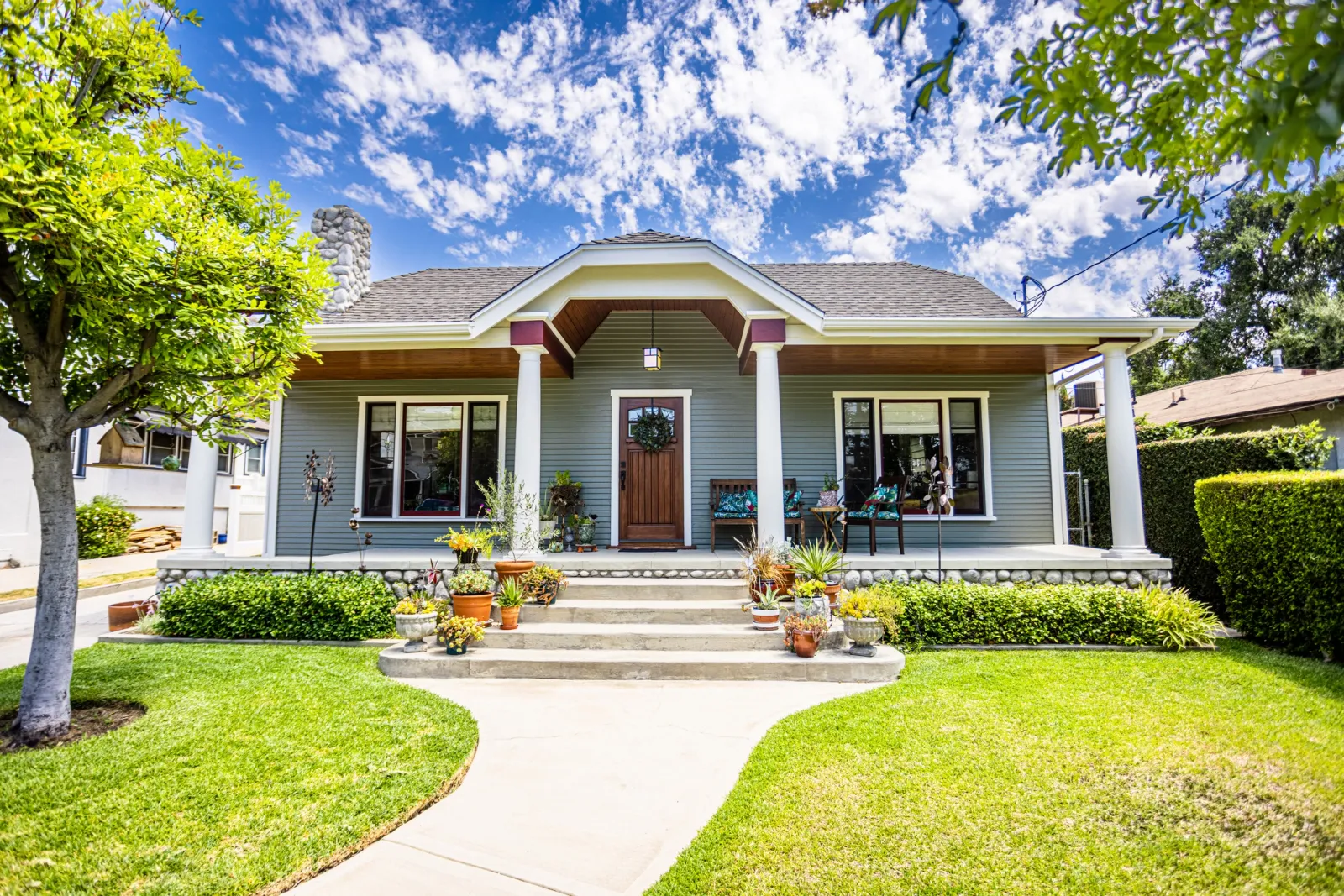
Gardening as Seattle identity
Mild winters, moss, native plants, and rain gardens — Seattle gardening is a lifestyle, not a three-month hobby. North Seattle households inherit craftsman yards, mid-century lots, and the urge to make something green thrive in the drizzle.
Outdoor living here is also real estate psychology. Curb appeal is not vanity in craftsman neighborhoods; it is how buyers decide whether a house feels loved. Special Agents Realty talks about yards the way it talks about lake loops — as weekly patterns, not as staged photos. We do not invent “ROI of landscaping” percentages on this page.
Who PNW gardening is for
Buyers who want a project lot and will actually water, prune, and learn soil. Households trading a high-maintenance lawn for natives and permeable paths. Condo buyers who still want botanical life through parks, Arboretum walks, and a balcony herb trough. Sellers who need a focused outdoor punch list before photos.
If you want zero outdoor work, say so — park-adjacent condominium living near Green Lake or rail-village options in Roosevelt may fit better than a mossy craftsman. If your outdoor life is trails and ferries more than beds, keep Bike & trails and Islands & road trips in the lead.
What grows well here
Think canopy and understory: Japanese maples, vine maples, rhododendrons, ferns, salal, evergreen huckleberry, and seasonal bulbs that punch through late winter. Raised beds earn their keep for vegetables in short summers. Rain gardens and permeable paths matter on clay and slope. Moss is not a failure mode — it is a climate. Start with soil, drainage, and how much light your lot actually gets between buildings and big trees.
Native and climate-adapted plantings reduce summer irrigation drama and winter regret. The Washington Park Arboretum and Union Bay areas are living classrooms for structure and understory combinations that survive Seattle weather. Walk them in different seasons before you rewrite a front yard — January structure teaches as much as May bloom.
Edibles are possible, not guaranteed glory. Cool summers, slugs, and shade from neighboring trees shape what thrives. Raised beds, thoughtful siting, and modest ambitions beat a Pinterest orchard on a north-facing strip. P-Patch plots can scratch the vegetable itch when the home lot cannot.
Project ideas for the first year
Year one is usually about water and bones: fix drainage that floods the basement stair, define a path you will actually walk, plant a native hedge for privacy, and choose one “show” bed you can maintain. Resist the urge to install a high-maintenance lawn you will resent by November.
Year-one restraint is also listing wisdom. A coherent small improvement photographs better than a half-finished estate garden. When the work exceeds DIY, jump to the vendor partners section below.
A simple sequence that works for many craftsman lots: (1) correct water, (2) define edges and paths, (3) plant structure (evergreen bones), (4) add seasonal color last. Skipping to step four is how people spend summers fighting weeds in a bed that never had a plan.
Nurseries, gardens, and inspiration
Swansons Nursery (a north Seattle institution since 1924, Ballard-area) remains a go-to retail nursery. The UW Botanic Gardens — Washington Park Arboretum and the Center for Urban Horticulture / Union Bay are living classrooms. Dunn Gardens in Broadview (Olmsted Brothers, 1915) offers ticketed historic estate garden tours. The Volunteer Park Conservatory covers indoor botanical wandering. Neighborhood Seattle P-Patch community gardens are part of civic identity — verify specific plot availability through the city program.
Note: Molbak’s in Woodinville closed permanently and should not be listed as a current destination. The broader Woodinville nursery belt still makes a pleasant garden road trip; confirm who is open before you drive. Bainbridge’s Bloedel Reserve remains a ferry-day garden pilgrimage — reservations typically required — via Islands & road trips.
Gardening through the Seattle year
Spring is nursery traffic, bulbs, and the first honest look at drainage failures. Summer is watering discipline and enjoying the outdoor room you built. Fall is planting season in this climate — cooler air, workable soil, fewer ego projects. Winter is structure: evergreens, bark, paths, and the moss that announces you live in the Pacific Northwest on purpose. Market Sundays for starts and flowers often layer onto the calendar — verify dates in Events & markets.
When to call Outdoor vendor partners
When drainage fails, retaining walls move, irrigation needs design, or a sale needs the yard camera-ready. Our vendor partners directory includes Outdoor trade companies such as Northwest Garden and Stone (Edmonds) and Northwest Landscape Supply (Lynnwood) — independent businesses from our extended Northwest network, not employees of Special Agents Realty. Verify licensing and gather bids the way you would with any contractor.
Vendor introductions are a courtesy for clients who ask — not a requirement and not an exclusive arrangement. Get multiple bids on structural work. Ask about drainage first; pretty plants on a wet foundation problem are expensive theater.
Condo and small-lot outdoor life
Not every buyer wants a craftsman project. Balcony herbs, courtyard containers, and park-as-yard living are legitimate PNW outdoor styles. Green Lake condominiums and townhomes can deliver the outdoor room through the loop rather than through ownership of soil — see Green Lake Living and HOA diligence on any condo path.
Small lots still benefit from the same bones-first thinking: drainage, a usable path, and plants that tolerate shade. The Arboretum and Swansons remain useful even when your “estate” is twelve feet wide. P-Patch plots extend growing space when home soil cannot.
Practical tips
- Solve water movement before you buy specimen trees.
- Prefer natives and climate-adapted plants over thirsty lawns you will hate by November.
- Do not navigate to Molbak’s — it closed permanently; confirm current Woodinville nurseries.
- Use the Arboretum as free curriculum before you redesign a whole lot.
- For listing photos, edit the yard — do not invent a botanical garden overnight.
Yards by neighborhood personality
- Ballard — cottage gardens, Swansons runs, Sound-wind awareness.
- Phinney Ridge — ridge lots, zoo-adjacent green, slope questions.
- Wallingford — craftsman beds and walkable errands between projects.
- Maple Leaf — often a bit more yard and elevated light.
- Green Lake — smaller lots with park as the outdoor living room when the yard is tiny.
Gardens and listing readiness
Curb appeal is not vanity in craftsman neighborhoods — it is buyer psychology. Sellers often need a focused outdoor punch list before photos. That is listing strategy, not landscaping romance: see listing representation and the seller prep checklist.
Honest prep beats over-improvement. Mulch, edges, a working path, and healthy foundation plantings usually outperform a last-minute fountain. When the scope is structural, use the Outdoor vendor pathway above and keep receipts for buyer diligence conversations.
Yards as a buying filter
Some buyers need a garden project; others need low-maintenance condo living with park access instead. Green Lake, Phinney Ridge, Maple Leaf, and Ballard each offer different yard math. A tiny Green Lake lot with loop access can beat a larger Maple Leaf yard if you will never maintain the larger one — honesty beats square footage bragging.
On tour, look past flowering staging. Check grading toward the foundation, fence condition, mature tree risk, and whether the “outdoor living” space gets sun when you will actually sit outside. Linda helps sort that in buyer representation or a consulting conversation — and can connect Outdoor vendor partners when the right house needs a phase-one landscape plan rather than a walk-away.
Soft next steps: walk a craftsman block after rain and notice where water goes; visit Swansons or the Arboretum once before you rewrite a lot plan; then decide whether you are buying a garden, a park adjacency, or both. Browse current listings or return to the Lifestyle hub for the wider Puget Sound Living magazine.
Seattle outdoor living rewards patience more than spectacle. Buy the lot — or the park adjacency — that matches the gardener you will be in November, not only the gardener you imagine in May.
Vendor partners
Outdoor pros when the garden needs more than ideas.
Our network includes Outdoor trade partners — landscape and garden supply companies across the Northwest — plus local recreation partners like Green Lake Pickleball. Browse the full bench when you’re ready to hire.
See vendor partnersHow Linda helps
Buy. List. Consult.
Planning a move around how you want to spend weekends? Linda can help as your buyers agent, listing agent, or consultant.
“I have known Linda for almost 2 years now and have found her to be of integrity, and cares deeply for her clients and honestly anyone she communicates with. Take me for example - I purchased a houseboat with the help of a different agent - I didn’t know about Linda prior to that and I wish to god I did. She would have saved me so much pain and suffering and costs as a first time on the water resident. Her knowledge and her vast network of professionals in this area is next to none. She is also fantastic to work with for anything on land. If you want someone looking out for you, and to have a smooth transaction, you best have Linda on your team and no one else. She has helped me so much over the time I have known her even though she hasn’t earned any money on me. If I ever have a real estate transaction, she is going to be my only option. Full stop.”
Next
Neighborhoods that live this
First time here?
Get a free, no-pressure home consultation with Linda M. Bagley.
Thirty minutes, your questions, zero obligation — including a complimentary pricing opinion if you own a home you’re curious about. Linda answers personally.